


Subtotal: $ 0
Description
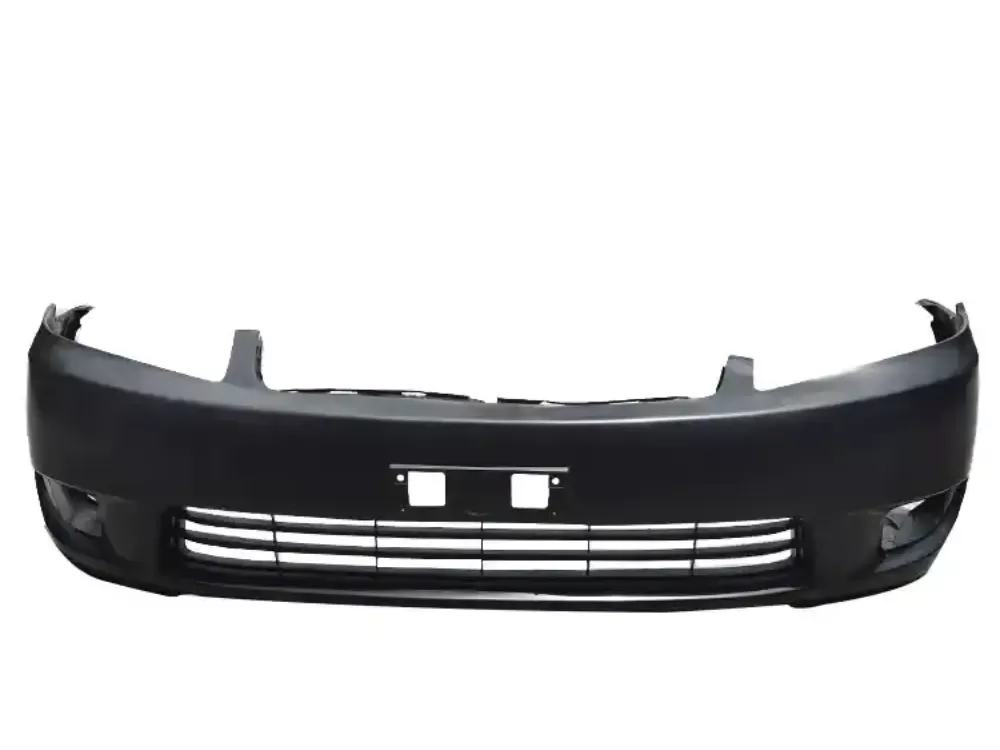
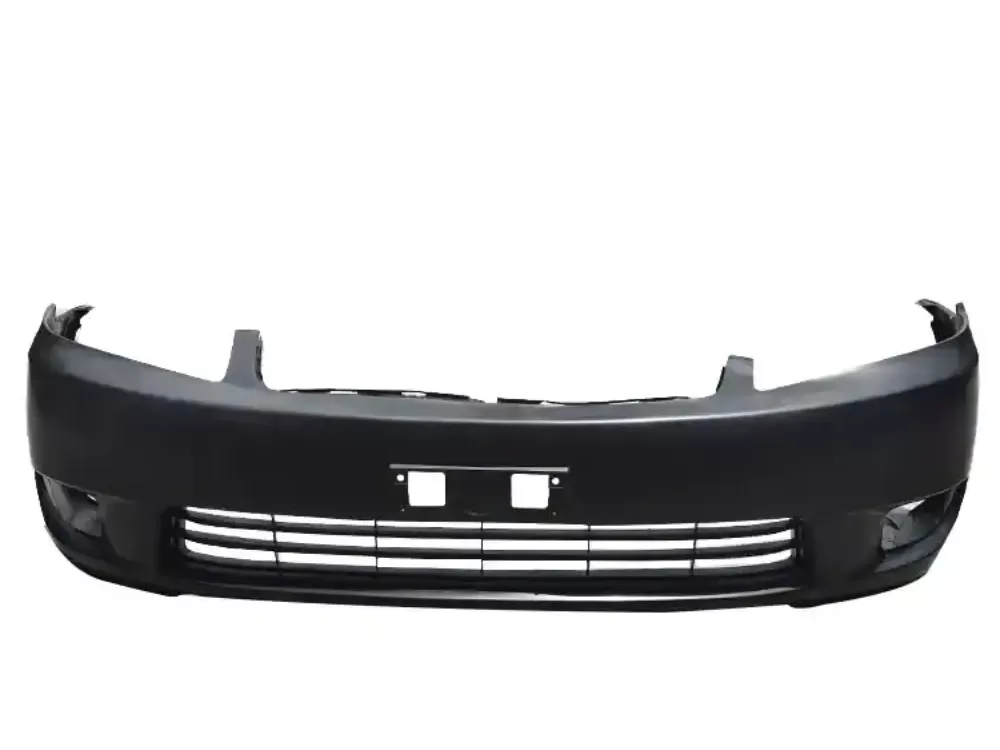
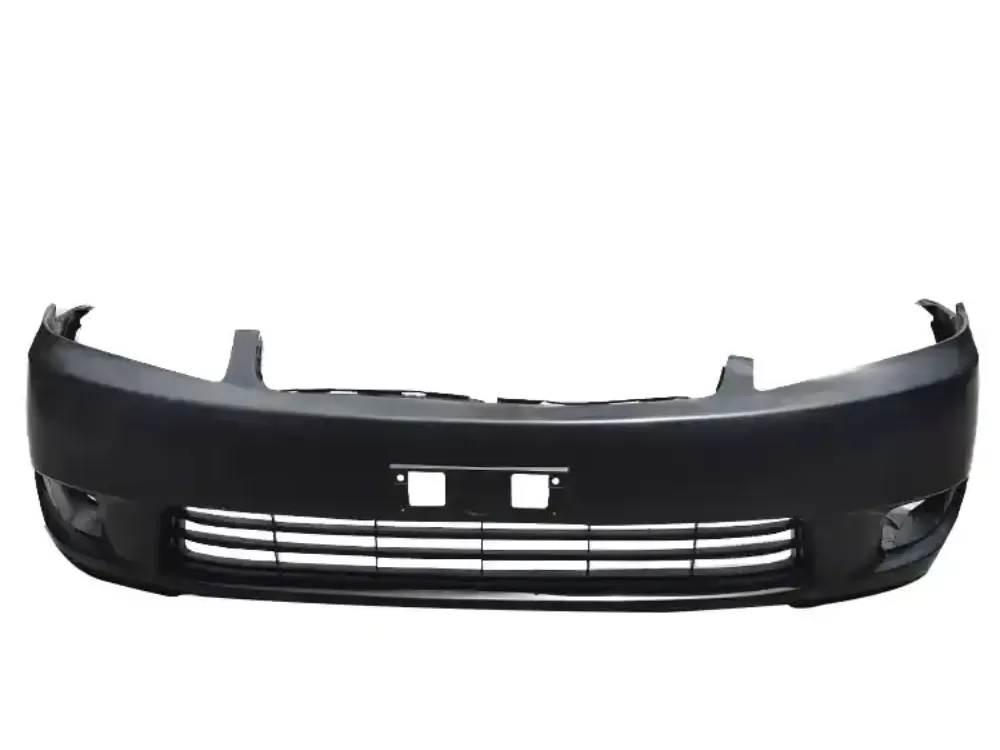
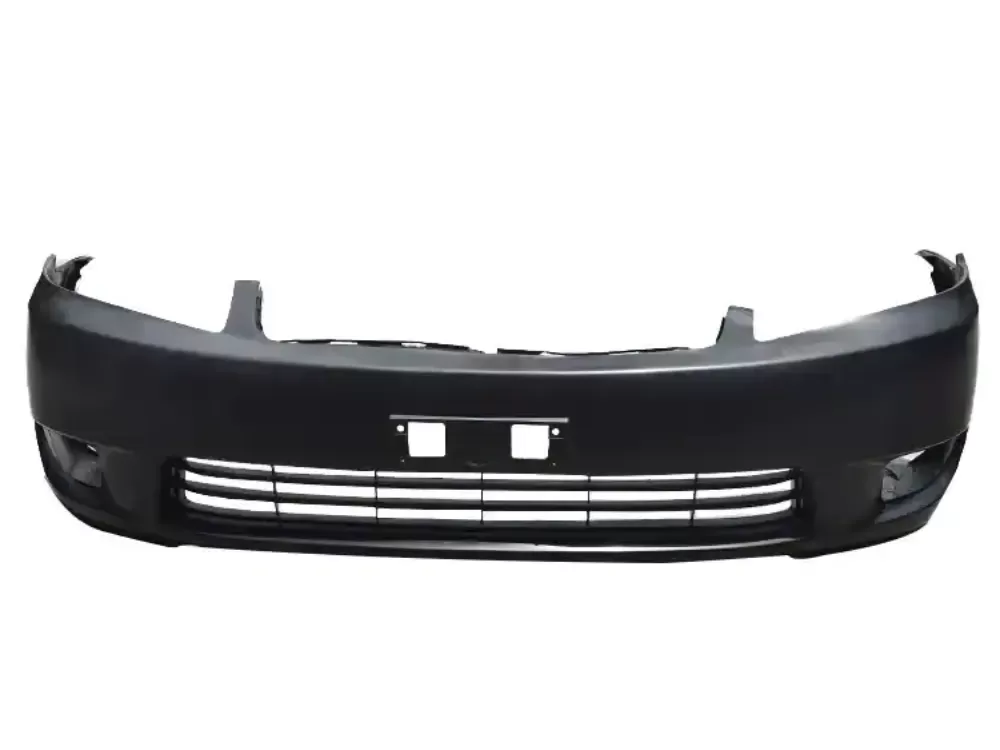
Anatomy of a Bumper SystemModern bumper systems consist of three main layers working together to handle impact:Bumper Cover: The visible outer shell. It is typically made of flexible plastic, polycarbonate, or fiberglass, and is painted to match the car’s body.Energy Absorber: The cushioning material directly behind the cover. Made of dense foam or molded plastic honeycomb, it compresses to absorb and dissipate the force of a minor crash.Bumper Rebar (Reinforcement Bar): The rigid inner structure, often made of steel or aluminum, that mounts directly to the vehicle frame. It serves as the main line of defense to stop severe structural damage during a stronger impact.Key FunctionsDamage Mitigation: Absorbs low-speed impact (usually up to 5 mph), preventing structural damage to the vehicle`s frame.Pedestrian Safety: Designed with specific contours and materials to minimize injuries to pedestrians during accidental contact.Aesthetics: Hides internal mechanical parts and unifies the vehicle’s visual design.For further details on how bumper parts differ across vehicle models, check out the guides on Painted OEM Parts or read more about vehicular design standards on Wikipedia.